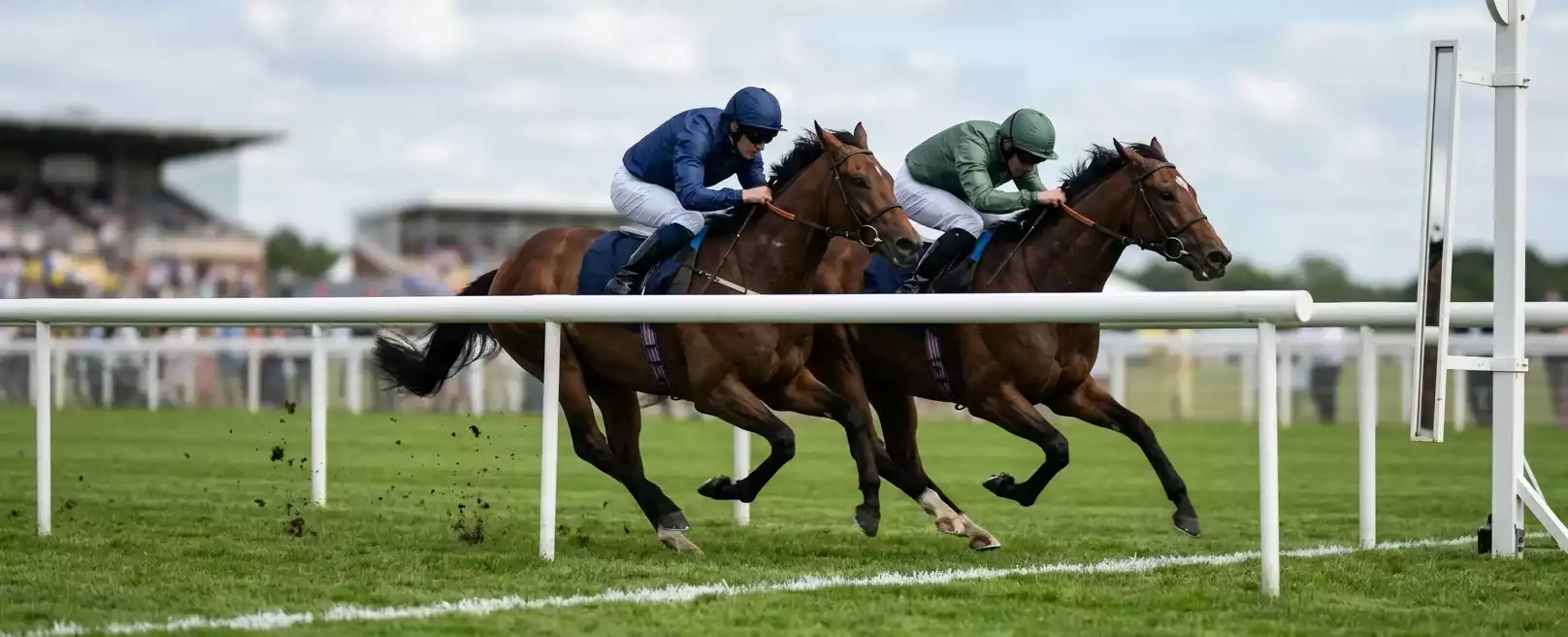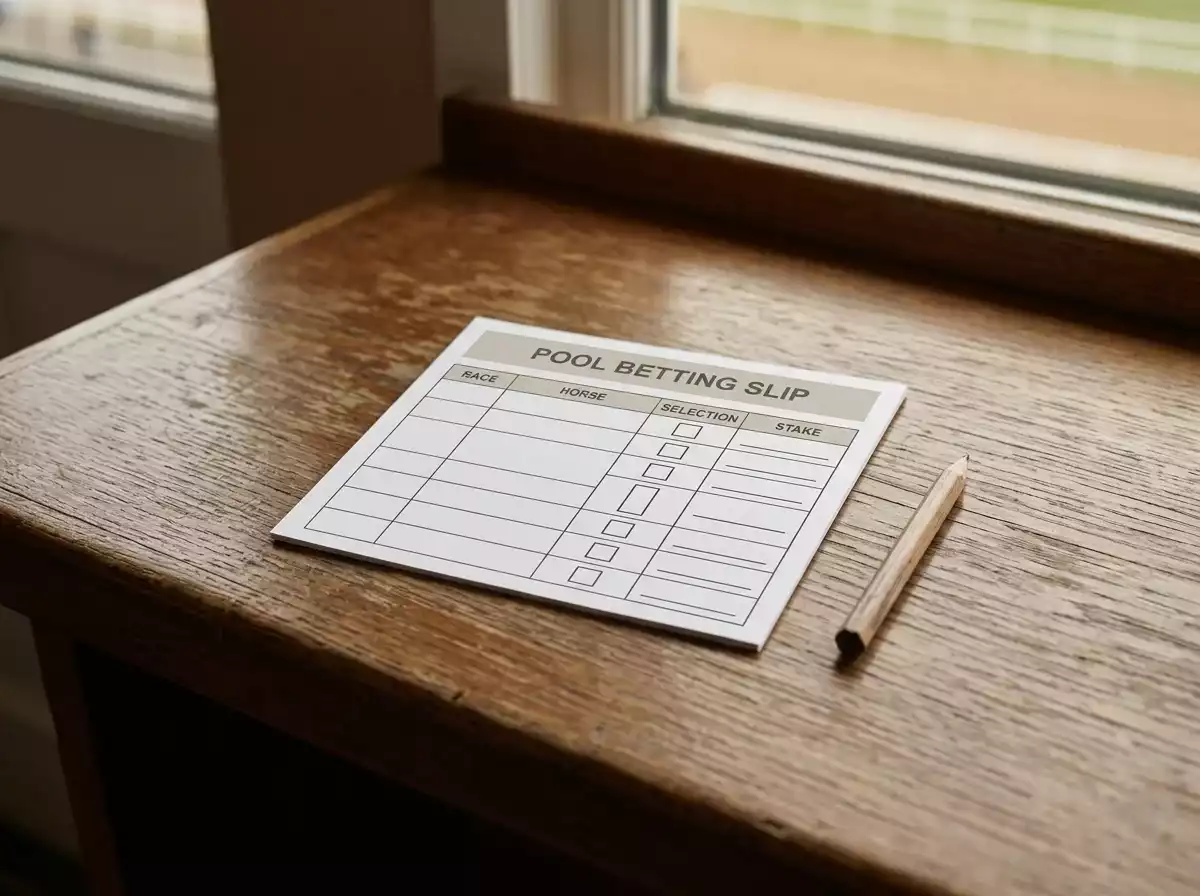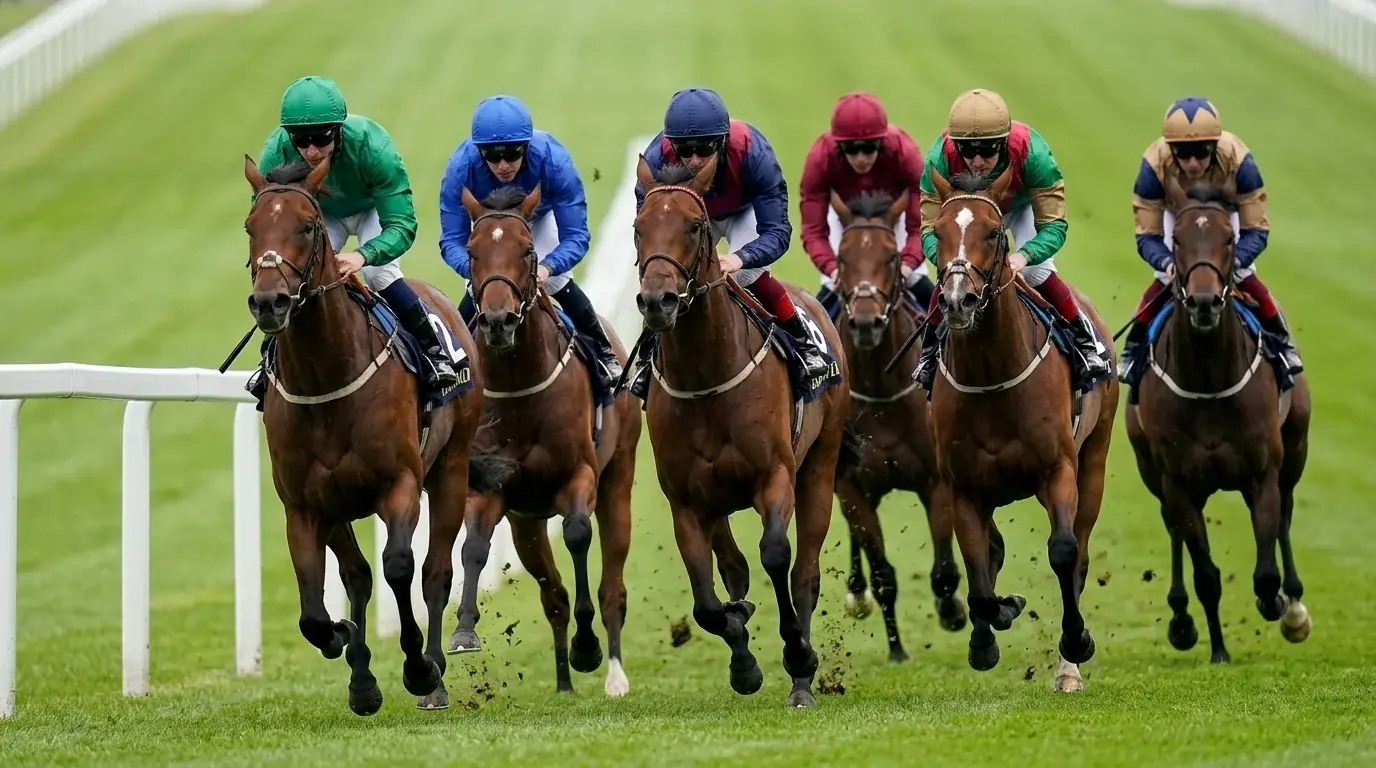
Cheltenham Festival 2026 Betting: Gold Cup Odds
 Available in US

The first time I covered Cheltenham as a working analyst, in 2017, I tried to bet every race. By Tuesday evening I was £400 down, by Wednesday £600, and by Thursday lunch a friend who had been quietly watching me said the line I have never forgotten – “you are not betting Cheltenham, you are surviving it.” He was right. The festival is not a betting opportunity. It is a flood of betting opportunities, with the speed and pressure of a final-week stock market, and the trick is to bring discipline to it rather than energy.
Many punters look for early value by exploring ante-post betting markets months before the festival begins.
Cheltenham Festival Turnover Dominance Across 28 Graded Races
The numbers are extraordinary. In 2025, every one of the 28 races run at the Cheltenham Festival landed in the top 31 races of the year by betting turnover. The only three races not from Cheltenham in the top 31 were the Grand National, the Epsom Derby, and the Scottish National. That is a level of liquidity concentration unmatched anywhere else in the British calendar.
The reason is straightforward. Four days, 28 races, all of them top-class, all with extensive pre-festival ante-post markets, all televised on ITV. The casual punter who only watches racing once a year tunes in for Cheltenham. The serious punter who follows form all season has been studying these specific races for months. The combined attention produces a betting volume that exceeds the entire summer flat schedule combined.
William Hill forecast around £450m of turnover across the four days of the 2026 Cheltenham Festival. That is the equivalent of roughly a month’s worth of normal British racing betting compressed into 96 hours. Books open earlier than normal, close later, run wider books, and offer more BOG windows than at any other meeting of the year.
Day-by-day market structure
Each day of the festival has its own personality. Tuesday is the championship hurdling day, headlined by the Champion Hurdle. Wednesday is the championship chasing day, headlined by the Queen Mother Champion Chase. Thursday is the staying day, headlined by the Stayers’ Hurdle and the Ryanair Chase. Friday is Gold Cup day, headlined by the festival’s most prestigious race.
Each day’s betting volume builds through the afternoon. The opener – Tuesday’s Supreme Novices’ Hurdle – is one of the biggest betting races of the entire year, often producing more turnover than the Champion Hurdle that follows it. The Supreme runs at 1.30pm on a Tuesday in March, and the queue of casual punters putting on their first festival bet of the week makes it the single most liquid race of the four days.
The headline championships at the end of each day’s card attract the largest individual bet sizes. The big-money customers wait for the Champion Hurdle, the Champion Chase, the Stayers’ Hurdle and the Gold Cup. Smaller stakes flow into the Supreme, the Arkle, the Coral Cup, the Foxhunters’ and the Plate. The result is a four-day pattern where the book’s shape shifts hour by hour.
Cheltenham 2025 averaged 60,583 attendees per day across the four days, with around 969,322 total attendees across the 2022-2025 cycle. That on-course audience is dwarfed by the off-course betting public, but it sets the atmosphere that the entire betting market responds to.
The Gold Cup and ITV viewership
The Gold Cup is the festival’s commercial centre of gravity. The 2025 Gold Cup pulled in 1.8 million ITV viewers and a further 3.6 million streams on ITVX – a combined audience comfortably above five million. That viewership is what drives bookmaker advertising spend in the days leading up to the race, and what justifies the £450m forecast turnover.
The Gold Cup is a Grade 1 chase over 3 miles 2 furlongs and 70 yards, run on the Friday afternoon at 4pm. The field is usually 10-14 runners. The favourite often goes off at 3/1 to 5/2; the longest priced runners are typically 25/1 to 40/1. The race rewards staying ability, jumping precision, and recent form – most Gold Cup winners have run at least once in the preceding eight weeks.
“The battle between us and the punters over the four days of the Cheltenham Festival is unrivalled in Jumps racing,” is how William Hill’s Lee Phelps describes the week. Books make some of their biggest individual race wins of the year on Gold Cup day, and they also take their biggest individual race losses. The race that defines the festival defines the bookmakers’ year.
Extra places, money-back specials, BOG windows
Cheltenham is where bookmakers compete hardest on place terms. The standard place fraction at non-handicap races is 1/4 odds, with three places paid in fields of 8+ runners. At the festival, handicaps with 16+ runners often see “extra places” promotions – four, five, six or even seven places paid. The Coral Cup and the Plate, both 24-runner handicaps, are typical of races where extra places promotions appear across multiple operators.
Money-back specials are a Cheltenham tradition. If your horse falls at the last, money back. If your horse finishes second to a specific named favourite, money back. If your horse is beaten a head, money back. These promotions vary year by year and operator by operator, and the terms can be specific enough to be worth reading carefully. A “money back if second” promotion is genuinely valuable if your selection is short enough to be a likely placer.
BOG windows extend at the festival. Operators that normally open BOG at 8am on the day of the race sometimes open Cheltenham BOG the night before, or at 6am on the day. The longer the window, the more flexibility you have to take the early price and benefit from later market moves. For deep mechanics on how BOG actually pays, the BOG mechanics breakdown covers the structure in detail.
£60m offshore on Cheltenham week
The dark side of festival liquidity is the offshore problem. The Betting and Gaming Council estimated that £60m flowed through unregulated operators during Cheltenham week in 2025 – a remarkable share of festival turnover that produced no Levy contribution, no consumer protection and no GamStop integration.
The reason Cheltenham specifically suffers is the influx of casual punters who arrive only for the festival. Casual punters do less research on operators than regular punters. They search “Cheltenham odds” or “Cheltenham tips” and click whatever appears first. SEO-optimised affiliate sites that rank for festival keywords often feature offshore operators, and the licensing footer is the easiest thing for a casual user to miss.
The £60m figure is a conservative industry estimate. The real figure is likely higher. Cheltenham generates more new-account creation across the year than any other racing event, and a meaningful share of those new accounts are at offshore sites that the punter never realised were operating outside UK regulation.
Get the latest odds and expert predictions from the leading British horse racing portal.
Staking discipline for four days of racing
The single most important rule of festival betting is to stake before the festival starts. Decide your total bankroll for the four days. Divide by 28 races. Decide which races deserve more than average stake and which deserve less. Cross-check against your ante-post commitments. Write it down.
The reason this matters is that the festival’s pace makes ad-hoc staking dangerous. By the second day, after wins and losses have moved your bankroll up or down by several hundred pounds, the temptation to chase the variance is enormous. Disciplined punters lose money slowly. Undisciplined punters lose it fast. The discipline starts before Tuesday.
I personally split my festival bankroll into three buckets – pre-festival ante-post, on-the-day pre-race, and an emergency in-running pot for value that emerges during races. The in-running pot is small. The ante-post pot is the biggest. The on-the-day pot is what funds the speculative bets on each day’s middle races. Without the buckets, by Thursday afternoon every bet starts to feel like a recovery bet.
Common questions about Cheltenham betting
When do the 2026 Cheltenham Festival dates fall?
The Cheltenham Festival 2026 runs Tuesday 10 March through Friday 13 March, following the traditional pattern of the second week of March. Tuesday is Champion Day, Wednesday is Ladies Day, Thursday is St Patrick’s Thursday, and Friday is Gold Cup Day.
How many places will bookmakers pay on the Stayers’ Hurdle?
The Stayers’ Hurdle is a Grade 1 non-handicap with a field usually around 10-12 runners. Standard place terms apply – 1/4 odds at 3 places for fields of 8+ runners. Extra places are uncommon on non-handicap championship races. The 24-runner handicaps on the same card – particularly the Coral Cup and the Plate – are where extra places promotions typically appear.
Which channel shows the 2026 Cheltenham Festival?
ITV holds the terrestrial UK broadcast rights through 2026, with most championship races shown on ITV1 and full-day coverage on ITVX. Racing TV broadcasts all 28 races for subscribers. The 2025 Gold Cup attracted 1.8 million ITV linear viewers plus 3.6 million ITVX streams, and 2026 coverage follows the same pattern.
Written by the editors at Bets Horse Racing.