Tote Betting in UK Racing: Placepots and Pool Returns
 Available in US
I once won a Placepot at Sandown that paid £312 for a £2 stake. I had picked six horses across six races, none of them at short prices, and not one of them had won – but every single one had finished in the places. The dividend was enormous because the pool had been small and the winning combinations rare. That ticket taught me what fixed-odds betting will never replicate. Tote pools reward picking horses that everyone else gets wrong, and when you are right against the crowd, the dividends are real.
While pool betting offers unique payouts, many professional punters prefer using a UK horse racing betting exchange to back, lay, and trade their positions.
UK Tote Pari-Mutuel Pools vs Fixed-Odds Betting Turnover
The Tote sits at about 5% of total British racing betting turnover. The other 95% goes through fixed-odds bookmakers and the exchange. That ratio has been roughly stable for years, and it reflects the basic preference of British punters for fixed-odds prices over pari-mutuel pools. The Tote did not lose; fixed-odds simply won.
The 5% share is split across the Tote’s main bet types – Win and Place singles, Exacta and Trifecta finishing-order bets, and the pool jackpots: Placepot, Quadpot, Jackpot and Scoop6. The pools are smaller than fixed-odds turnover by definition, but the dividends – particularly on jackpots – can produce returns that fixed-odds books cannot match. A £2 Placepot ticket producing a four-figure dividend is the kind of result that fixed-odds betting fundamentally cannot offer.
Total UK GGY on remote betting for the financial year ending March 2025 was £2.6bn, with £766.7m from horse racing alone. The Tote’s share of that figure is small but the structure is different from anything else in the racing market. Understanding why is the key to using it well.
How a Tote pool actually pays
A Tote pool works on pari-mutuel principles, the same mechanism used worldwide for horse-race pool betting. The bets go into a single pool. The Tote takes its operator commission, usually around 13-22% depending on the bet type. The remaining money is divided among the winning tickets in proportion to their stake.
The key implication is that you do not know your price until the race is over. A horse on the Tote board at a notional 5/1 might pay 7/1 if late money on other horses pushes its pool share up, or it might pay 4/1 if a wave of late money on that horse compresses the pool. The pool reflects the total betting public’s collective opinion, not a bookmaker’s structured book.
The Tote dividends are usually expressed in pounds per £1 stake. A £1 Win on a horse with a dividend of £6.40 pays £6.40 – equivalent to a fixed price of 27/5, close to 6/1 (£6.00 win plus £1 stake). For Place pools, the dividend is paid on the place portion of the win pool, with the total split among horses that finished in the places.
Placepot: six legs, one ticket
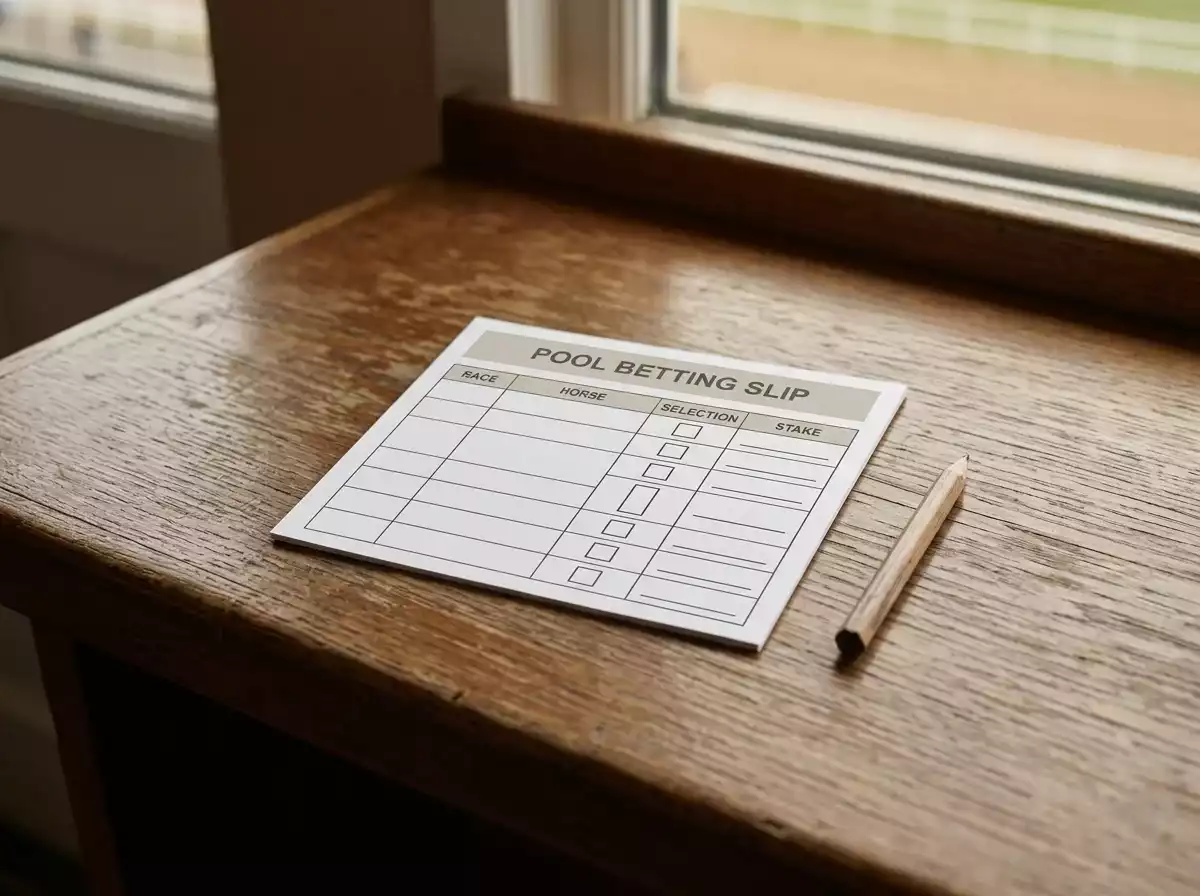
The Placepot is the Tote’s flagship product and the one most British punters know. You pick a horse in each of the first six races at a chosen meeting, and you win if every one of your selections finishes in the places. A leg is each individual race; six legs make a complete ticket.
You can pick more than one horse per leg, but each additional selection multiplies the ticket’s cost. A single-line Placepot is six selections, one per race, costing your minimum stake (£2 is the standard). A “doubles in each leg” Placepot is 2x2x2x2x2x2 = 64 lines, costing 64 times the base stake. The strategic decision is where to spend extra coverage and where to single up.
The dividend is calculated on the assumption that the entire pool – minus operator commission – is divided among the winning tickets. Small pools and rare winning combinations produce large dividends. Crowded pools with obvious favourites in the places produce small dividends. The biggest Placepot returns of the year are usually on midweek cards where the pool is modest and the winning selection includes one or more longer-priced horses placing.
Jackpot and Scoop6 – rollover economics
The Jackpot is a six-race winning bet – you need a horse to win in each of six selected races. The Scoop6 is similar in structure but rolls over to the following Saturday if not won. The rollover dynamic is what makes the Scoop6 occasionally produce a genuinely life-changing dividend.
The economics are brutal. Most weeks, neither the Jackpot nor the Scoop6 is won. The pool rolls forward. When the pool eventually does get won, it pays a dividend that can run into hundreds of thousands of pounds for a £2 ticket. The catch is that picking six winners in a single afternoon is genuinely difficult – far harder than picking six placers – and the operator commission plus the implied luck factor mean expected value over time is poor.
The Jackpot and Scoop6 are recreational products with very small chances of a very large payoff. They are not value bets in the way that disciplined Placepots can be. A regular punter is better served by Placepots, Quadpots and Exactas where the maths is more favourable.
When the Tote beats the fixed-odds book
There are specific situations where Tote betting pays better than fixed-odds. The most common is when a horse is significantly under-priced by the fixed-odds market and the Tote pool has not followed. This happens when bookmakers cut a horse based on early stable confidence indicators that have not yet reached the casual betting public. The Tote pool, which reflects public sentiment, may still be paying generously even as the SP shortens.
The reverse is also true. When a horse is heavily backed in the Tote pool by an informed crowd, the Tote price can shorten dramatically while the fixed-odds price moves more slowly. In those cases the fixed-odds price is the better bet. The discipline is in knowing which direction the discrepancy runs at any given moment.
For most punters, the Tote’s real value is in the pool products – Placepot, Jackpot, Scoop6 – rather than the win or place singles. The win and place singles are usually inferior to the SP fixed-odds equivalents because of the operator commission. The pool products offer a different proposition entirely, with the chance of disproportionately large returns that fixed-odds bookmakers cannot match.
For deeper coverage of how the wider bet-type ecosystem fits together, the UK racing bet types breakdown covers the full range of available structures.
Discover the most profitable wagering angles on our premier racing betting platform.
Common questions about Tote betting
Who runs the UK Tote?
The UK Tote is operated by Tote (UK) Limited, which acquired the operator rights in 2011 from the previous state-owned Tote organisation. The Tote operates the betting pools at all British racecourses and offers off-course pool betting through its own retail and online channels. It is licensed by the UK Gambling Commission.
What is the minimum stake on a Placepot?
The standard minimum stake on a Placepot is £2 for a single-line ticket, with 50p as the typical minimum unit for perms and combinations. Some racecourses and online operators allow lower minimum unit stakes, particularly on the all-weather midweek cards where pool sizes are smaller. The dividend is always quoted per £1 of unit stake.
Does the Tote refund non-runners?
Yes. If a horse you have selected in a Tote bet is declared a non-runner, the rules vary by bet type. On Tote Win, the stake is refunded. On Placepot and Jackpot, the non-runner is typically replaced by the SP favourite of the relevant race for the purposes of your ticket – meaning your selection is effectively switched to the favourite. The exact rule depends on the bet type and the timing of the non-runner declaration.
Created by the ”Bets Horse Racing” editorial team.