UK All-Weather Racing: Betting on Synthetic Surfaces
 Available in US
Table of Contents
- Polytrack and Tapeta Synthetic Surface Betting Yields
- Where all-weather racing came from
- The five tracks and what they bet differently
- How all-weather form reads against turf
- The betting markets on a Wolverhampton evening
- Good Friday and the All-Weather Championships
- What an all-weather card teaches a punter
- The future of synthetic-surface racing
- Questions punters ask about all-weather racing
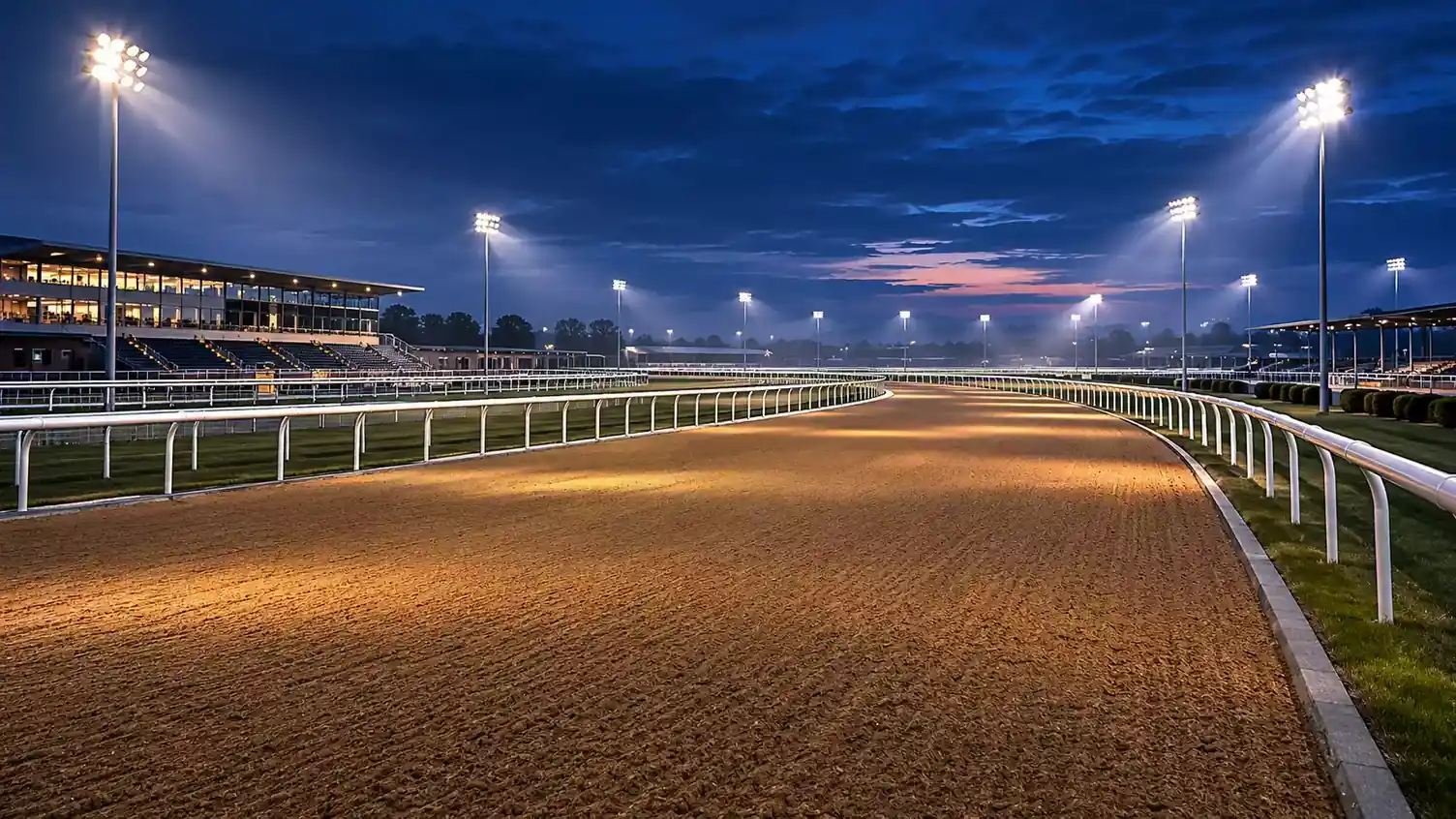
The first time someone called me an all-weather punter, I took it as a mild insult. The image was unflattering – a man in a back room betting on Wolverhampton evenings, drinking lukewarm tea, staring at a 7-runner Class 6 sprint on a Polytrack. Five years later, all-weather racing is around a quarter of my betting year, and I have to admit the back-room punter knew what he was doing.
Polytrack and Tapeta Synthetic Surface Betting Yields
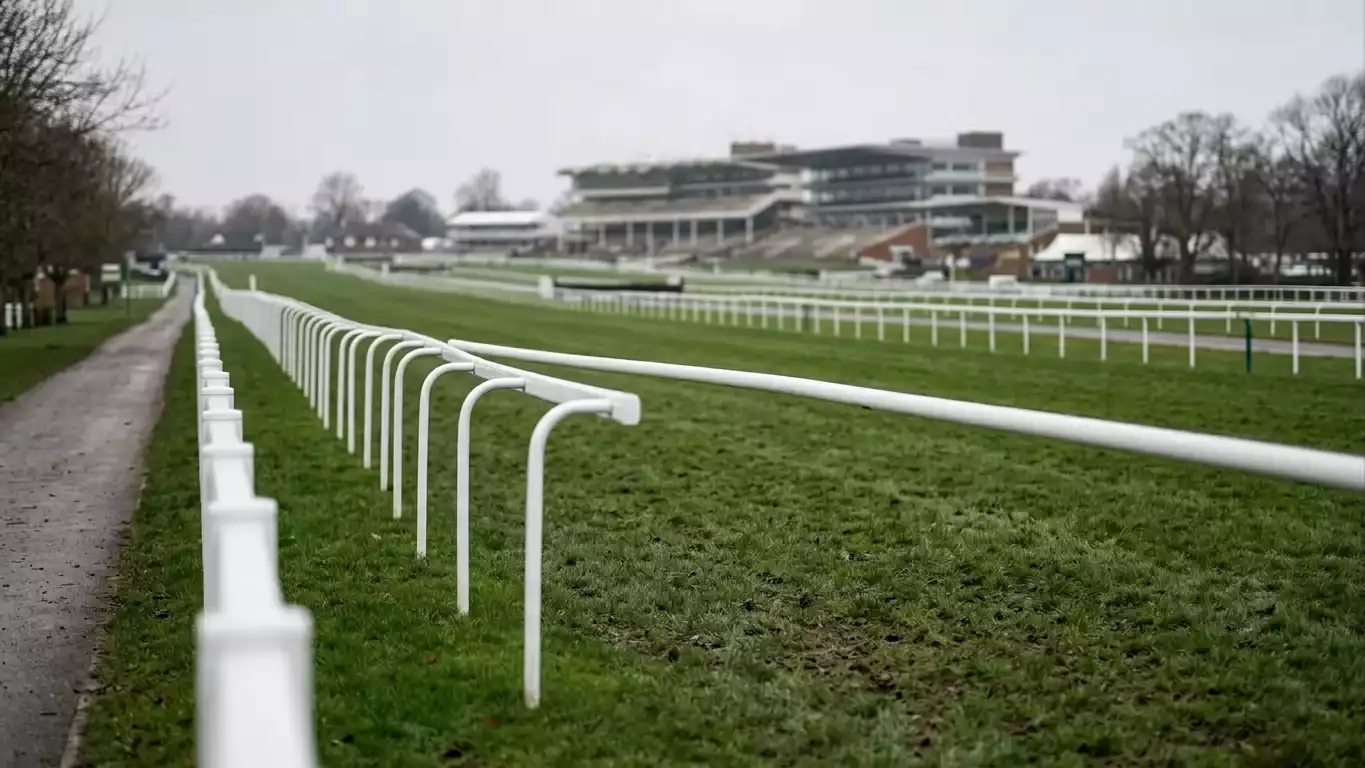
All-weather racing is British racing’s invisible engine. It runs through the calendar with little fanfare, generates a substantial chunk of total betting turnover, and provides the form lines that feed into many of the Saturday handicaps that punters care about. The five all-weather tracks – Lingfield, Kempton, Wolverhampton, Newcastle and Southwell – between them host close to 400 fixtures a year, roughly a third of the British total of 1,460 fixtures across 59 racecourses.
The surface itself comes in three flavours. Polytrack at Lingfield and Kempton – a synthetic mix of wax-coated sand, fibre and rubber that drains quickly and rides consistently. Tapeta at Newcastle and Wolverhampton – a slightly different synthetic blend that runs marginally softer. And the recently re-laid surface at Southwell, which replaced the old Fibresand in 2021 with a Tapeta-like product that brought Southwell into the modern era after years as the outlier.
Where all-weather racing came from
The all-weather story starts in 1989 when Lingfield Park opened the first synthetic-surface course in Britain. The justification was simple – the British winter loses huge numbers of Flat fixtures to frost, waterlogged ground and abandoned meetings. A surface that drains reliably and runs through frost could carry Flat racing year-round and stabilise the betting calendar.
What started as a winter substitute became a substantial branch of British racing in its own right. Wolverhampton opened in 1993 with floodlights for evening racing. Newcastle’s Flat track was relaid as a Tapeta surface in 2016 alongside its turf. Kempton and Southwell completed the network. The five tracks between them now generate fixtures every day of the week, year-round, with no genuine off-season.
The All-Weather Championships, introduced in 2014, gave the surface a calendar climax with Good Friday Finals Day at Lingfield. Prize money rose. The horses got better. The form lines started to translate to turf in ways that purists in the early 2000s would have found absurd.
The five tracks and what they bet differently
Each all-weather track has its own personality, and reading the differences is half the battle for a punter. Lingfield is left-handed with a sharp track and a strong draw bias on certain trips. The inside stalls win disproportionately on the 5f and 6f, and the bias is sharp enough that punters who ignore it lose money over a season. Lingfield’s Polytrack is the fastest surface in the British all-weather circuit, which suits front-runners and horses with high cruising speed.
Kempton, also Polytrack, runs right-handed on a flatter, fairer track. Draw bias is milder than at Lingfield. The surface tends to suit late-runners more than front-runners, which is the opposite of the Lingfield profile, and the same horse can read very differently between the two tracks.
Wolverhampton’s Tapeta is the deepest of the synthetic surfaces, which favours stayers and horses with stamina at the expense of pure speed. The right-handed track has a strong tight bend that makes the draw matter more than at Kempton but less than at Lingfield. Wolves evening meetings are the heartbeat of midweek betting volume – the floodlit Saturday card in winter regularly pulls strong online turnover despite small on-course crowds.
Newcastle’s Tapeta straight-mile is a peculiar British anomaly – the only straight mile in the all-weather network – and produces unusually fair sprints with minimal draw bias on most trips. Southwell, the smallest and quietest of the five, runs left-handed and is closest in profile to Wolverhampton on the new Tapeta surface.
How all-weather form reads against turf
The hardest question in modern UK racing handicapping is how to translate an all-weather form line to a turf race or vice versa. Twenty years ago, the answer was that the two surfaces were so different that you couldn’t. Today, the answer is that the translation is real but trip-specific and horse-specific.
A horse that wins a 6f Class 4 handicap on Lingfield Polytrack and then transfers to a 6f Class 4 turf handicap on good ground will typically perform within a 4lb band of its all-weather rating. Some horses prefer the synthetic – the so-called “Polytrack specialists” – and underperform on turf. Some are the reverse. The form book tracks this with notation, and any serious punter looking at a Class 4 handicap with a mix of recent turf and all-weather form needs to weight the runs by surface rather than treating them as equivalent.
The trainer factor matters here. Some yards specialise in all-weather Flat racing and run their horses through the winter campaign with a sharp eye on the All-Weather Championships. Others treat the synthetic surface as a stepping-stone or workout for genuine turf targets. Reading the trainer’s pattern over a season tells you whether a horse running on Polytrack in February is being prepared for a turf campaign in May or is genuinely targeting an all-weather final.
The betting markets on a Wolverhampton evening
The economics of all-weather racing as a betting product are different from a Saturday turf card, and the differences cut both ways for punters. Field sizes on weekday all-weather cards tend to be smaller – often 6-9 runners in the lower classes – which means tighter overrounds but also more variance in outcome. The bookmakers’ books carry less casual money than on a featured weekend turf card, so the prices are more form-driven and less sentiment-driven.
BOG promotions and place-terms tend to be standard rather than enhanced. A Tuesday evening at Wolverhampton does not generate the marketing investment that a Saturday at York does. Best Odds Guaranteed applies on most all-weather meetings, but bookmakers are tighter with extra-places promotions and rarely run them outside the All-Weather Championship qualifiers and finals.
Average turnover per race across British racing fell 8% in 2024-25, sits 15% below the 2022-23 level and 19% below the 2021-22 figure. The decline is unevenly distributed across the calendar, and the bulk of it lives in Core Fixtures – the lower-tier midweek meetings that include most of the all-weather schedule. Premier Fixtures, by contrast, grew turnover 2.7% in 2025. Core Fixtures dropped 8.6%. All-weather punters are betting into a product with thinning liquidity, which is both a constraint and an opportunity depending on how you trade it.
Good Friday and the All-Weather Championships
The All-Weather Championship Finals Day, run at Lingfield on Good Friday, is the closest thing the synthetic-surface circuit has to a festival meeting. Seven championship finals across the day, prize money clearing seven figures across the card, and a betting volume that competes with the second-tier Cheltenham days. The qualifying races spread across the winter, with horses earning their way into the finals through a points system based on performances at qualifier meetings.
What makes Good Friday interesting from a betting perspective is the unusually deep field quality. The All-Weather Championships are competitive enough that the top-rated all-weather horses run there rather than transferring to early turf races. Prices are correspondingly tight, and BOG can apply meaningfully on horses that drift in the morning. The day is one of the few all-weather fixtures where ante-post markets open meaningfully – most all-weather betting is post-declaration, but the championship finals support an ante-post book that opens in mid-March.
What an all-weather card teaches a punter
Betting all-weather racing taught me three things that translated back into my turf betting. First, draw bias is a real number rather than a rumour. The synthetic surfaces show bias clearly because the surface itself is consistent – there is no patch of softer ground on the rail to explain why three-quarters of the winners come from stalls 1-3. The bias is structural, and punters who read the track configuration carefully can find systematic value.
Second, trainer patterns matter more than they look in the headline form. A Yorkshire-based trainer who runs a horse at Wolverhampton in midweek and then targets a Class 5 turf handicap on Saturday is telling you something with the route. Reading those patterns over a few months turns into systematic edges.
Third, the smaller fields on midweek all-weather cards mean the form is genuinely readable. A 7-runner Class 5 sprint at Southwell is easier to handicap than a 22-runner Class 2 handicap at Newmarket, and the betting markets are smaller and less efficient. The trade-off is that the prices are shorter and the variance is higher. Across a hundred bets, the maths work out roughly equally – but the all-weather book is a better testing ground for systematic strategies than the casino-floor noise of a Saturday handicap.
The future of synthetic-surface racing
The all-weather schedule is structurally important to British racing in ways that go beyond the entertainment value of the meetings themselves. The fixtures generate Levy contribution year-round, fill the winter calendar when Flat turf is impossible, and provide a competitive surface for horses whose conformation or temperament doesn’t suit jumps or top-tier turf. The 2024-25 Levy hit £108.9m – a record figure and the fourth consecutive annual rise – and all-weather turnover contributed materially to that total despite the slow decline in average per-race volume.
The challenge ahead is consolidation. Five all-weather tracks competing for midweek attention may be more than the market can support indefinitely. The Premier-Core fixture split has concentrated investment on the top of the calendar, and the all-weather schedule has felt the squeeze. For punters, that means quieter midweek meetings, smaller fields, and a betting product that is genuinely valuable to those who learn it but increasingly invisible to the broader public. The back-room punters know. The casual market still doesn’t.
Questions punters ask about all-weather racing
Do all-weather meetings run when turf is frozen off?
Yes – the synthetic surfaces are designed to drain through frost and most all-weather fixtures run when turf racing is abandoned. Exceptional cold can still cause a meeting to be lost, but the all-weather schedule is the most reliable part of the British racing calendar in winter.
Is Polytrack faster than Tapeta?
Generally yes. Polytrack at Lingfield and Kempton produces faster sectional times than Tapeta at Wolverhampton, Newcastle and Southwell. The difference is meaningful enough that horses with high cruising speed tend to prefer Polytrack while stamina-leaning horses prefer Tapeta.
Does all-weather form translate to turf?
The translation works but is trip-specific and horse-specific. A horse rated 80 on the all-weather will typically perform within a 4-6lb band on equivalent turf, with some horses preferring one surface meaningfully over the other. Trainer patterns and stable preferences are the best guide to which way a particular horse will translate.
Written by the editors at Bets Horse Racing.